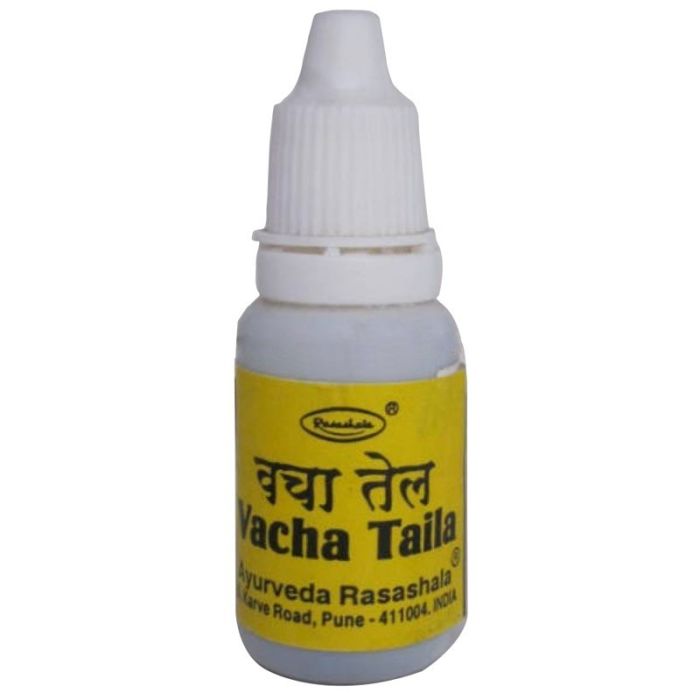
Dosage : 2 drops in each nostril 2 times (as nasya) (nasal drops).
***************
About Rasashala Ayurveda:
Ayurveda Rasashala is a Trade mark (TM) and is known for manufacturing quality Ayurvedic herbal products, also called as "HOUSE OF QUALITY PRODUCTS". Ayurveda Rasashala is a GMP Certified Company also.
It was established in 1935 as one of the constituent unit under the aegies of Rashtriya Shikshan Mandal (established 1924) during the British regime ruling India, with a motive to impart practical knowledge of manufacturing Ayurvedic drugs to Ayurveda Graduate students of Tilak Ayurveda Mahavidyalaya and to cater quality medicines to affiliated Seth Tarachanda Hospital and suffering public in general.
Rashtriya Shikshan Mandal is a renowned registered Public Trust engaged in Research, Education, manufacturing Ayurvedic medicines, health care activities through its constituent organizations like - Tilak Ayurveda College (1933), Vd. Purushottam Nanal Rugnalaya, (1965), Mehandale Clinic, Centre for Post Graduate Studies and Research in Ayurveda, Research Institute of Health Sciences and Management (2001), Monthly magazine - 'Ayurvidya Journal' : (since last 60 yrs) , Sheth Tarachand Ramnath Dharmarth ayurvedic hospital, besides Ayurveda Rasashala.
Vacha Taila is a classical Ayurvedic nasal oil (nasya taila) traditionally used to support clear breathing and comfort in the head and sinuses. Made by Ayurveda Rasashala, it combines Vacha (Acorus calamus, the "sweet flag") with a sesame (til) oil base and milk processing. It is the kind of oil practitioners turn to for a heavy head, a blocked nose, and seasonal nasal discomfort.
Stuffy or blocked nose
Heaviness of the head and head discomfort
Seasonal nasal and sinus comfort
+What is nasya and how do you use Vacha Taila as nasal drops?
Nasya is the Ayurvedic practice of instilling medicated oil into the nostrils to care for everything "above the collarbone", the head, nose, and sinuses. The traditional direction for Vacha Taila is two drops in each nostril, twice daily. A simple way to do nasya at home is:
Lie back with the head gently tilted so the nostrils face up.
Place two drops of slightly warm Vacha Taila in each nostril.
Sniff gently inward and rest for a minute or two.
It is best done on an empty stomach. Beginners often find it easiest to learn nasya under the guidance of an Ayurvedic practitioner.
+What are the ingredients in Vacha Taila?
Vacha Taila is built around three simple, classical components.
Vacha (Acorus calamus): the lead herb, traditionally valued for the head, voice, and clarity of the senses
Til Tel (sesame oil): the warming, grounding base that carries the herb
Dugdha (milk): used in processing the oil in the traditional method
This minimal recipe keeps the focus squarely on Vacha, which is why the oil carries its name.
+Which dosha does Vacha Taila help balance?
Vacha Taila is most associated with pacifying Kapha and Vata in the head and nasal passages. Vacha is warming and penetrating, qualities that help counter the cold, heavy, congested nature of excess Kapha that shows up as a stuffy nose and a heavy head. Its grounding sesame base also soothes Vata, which governs the dryness and irregular sensations sometimes felt in the sinuses. People with a strongly Pitta constitution or a tendency to nasal heat should use it thoughtfully and ideally with practitioner advice.
+When is the best time to do nasya with Vacha Taila?
The classic times for nasya are morning, on an empty stomach after brushing and a warm wash, when the practice feels most refreshing for the head. Many people use Vacha Taila as part of their daily dinacharya (morning routine). It is best avoided immediately after meals, after a bath in cold conditions, or when you have an acute fever or fresh cold without guidance. Keeping to a regular gentle routine, rather than occasional heavy use, is the traditional approach.
+How is Vacha Taila different from Anu Taila or other nasya oils?
The main difference is the herbal focus: Vacha Taila centres on a single herb, Vacha, in a sesame-and-milk base, whereas oils like Anu Taila are multi-herb blends. This makes Vacha Taila a simpler, Vacha-led choice for those who specifically want the qualities of sweet flag for the head and nose. If you prefer a broad classical nasya blend, a multi-herb oil may suit; if you want a focused Vacha preparation, this is the one. An Ayurvedic practitioner can help you choose between them for your constitution.
+Is Vacha Taila safe, and who should avoid it?
Vacha Taila is a herbal oil for nasal use only and should never be swallowed. Because Vacha is a potent herb, it is best used in the small recommended quantity, two drops per nostril, and ideally with practitioner guidance. It is not recommended for young children, during pregnancy or breastfeeding, or during an acute illness, fever, or nosebleed without professional advice. Anyone with a chronic sinus condition or who is on medication should consult their physician or an Ayurvedic doctor before starting nasya. Discontinue and seek advice if you notice irritation.
+What size is Vacha Taila and how should it be stored?
Vacha Taila is supplied in a convenient 15ml bottle, a practical size for nasal drops since only a few drops are used at a time. Store it upright in a cool, dry place away from direct sunlight, and close the cap firmly to keep the oil fresh. If it thickens in cold weather, warm the closed bottle briefly in your palms or in warm water before use. Keep it out of reach of children.
+Who makes Vacha Taila and is it authentic Ayurveda?
Vacha Taila is manufactured by Ayurveda Rasashala, a GMP-certified company known as the "House of Quality Products". Established in 1935 under the Rashtriya Shikshan Mandal trust, the company has deep roots in Ayurvedic education and classical drug manufacturing, with links to Tilak Ayurveda College and associated research institutions. This heritage means the oil is prepared according to traditional formulae with established quality standards, giving you an authentic classical nasya preparation.
Disclaimer
While we work to ensure that product information is correct, on occasion manufacturers may alter their ingredient lists. Actual product packaging and materials may contain more and/or different information than that shown on our Web site. We recommend that you do not solely rely on the information presented and that you always read labels, warnings, and directions before using or consuming a product. For additional information about a product, please contact the manufacturer. Content on this site is for reference purposes and is not intended to substitute for advice given by a physician, pharmacist, or other licensed health-care professional. You should not use this information as self-diagnosis or for treating a health problem or disease. Contact your health-care provider immediately if you suspect that you have a medical problem. Information and statements regarding dietary supplements have not been evaluated by the Food and Drug Administration and are not intended to diagnose, treat, cure, or prevent any disease or health condition. AyurvedaBay.com assumes no liability for inaccuracies or misstatements about products.